I lead Brand & Growth at Famasi Africa, a healthtech platform that connects individuals & businesses to 1000+ pharmacies across Nigeria.
It started on Instagram
I’d been writing since secondary school, where I represented the school in competitions and took the literature classes that got me into poetry. So when I got on Instagram and saw people posting poems, it pulled me in.
The more I read them, the more I started writing my own, first to express myself and then to make sense of my experiences. It was a way to understand human connection, and myself, at a more granular level.
Poems make you choose the right word and pay attention to flow and to the sequence of how you say a thing. That attention is what became copywriting.
Learning the craft at volume
The next few years were agency work, most of it under NDA.
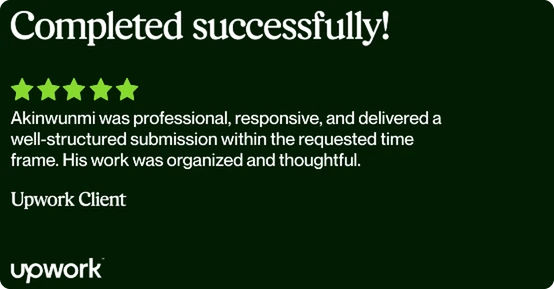
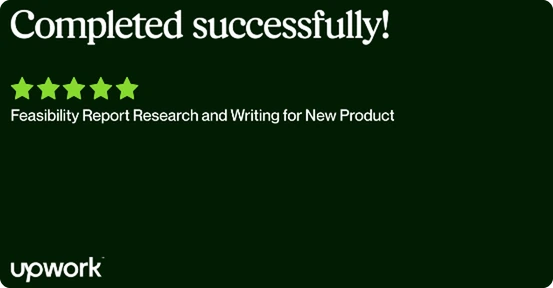
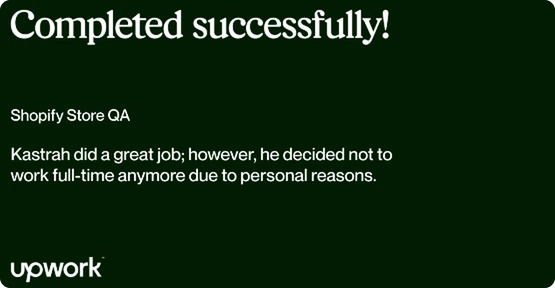
At Ecom Capital I wrote website copy for over 300 Shopify stores and led product quality across 56 more, overseeing and reviewing the work of a cross-functional team of up to 30 people — copywriters, designers, engineers and product researchers. At Wordify I wrote 151 landing pages for Shopify’s Burst and Hatchful. And for ProProfs I produced 960 quizzes across phlebotomy, cosmetology, cybersecurity, Star Wars and outdoor activities.
What that volume taught me is that speed and quality aren’t really a trade-off. Every store had to pass all the criteria within a set timeline, and the Shopify copy was the same, so the job was making quality and speed happen together and still be proud of the output.
It was also relentless, and never one client at a time, so a day meant switching between businesses, learning enough about each one to write for it, and doing the research not to sound like an outsider. The learning was the enjoyable part, and the constant switching was the demanding one.
I was still at university studying law while I did all this, and these were the first teams I had worked with across time zones. Ecom Capital is Australian and a number of clients were in the US. Wordify in the UK was the only one close to Nigerian hours.
The first 1,000 customers
Faruq, the co-founder, knew my freelance work and had seen the Instagram writing, so in 2021 I came in for what was meant to be six months, until they could hire someone permanent. At the end of the six months, we agreed to keep going, because it was a mission I wanted to see work — to be honest, I’d actually forgotten about the agreed duration till Faruq and Adeola brought it up. More context on why here and here.
We were early enough that buying customers would have answered the wrong question first.
Two things needed settling before any spend: whether people actually wanted this, and where those people already were. Ads at that stage tend to bring in the wrong customers, and then you’re scaling something that was never working. Organic traction answers both questions cheaply, and once you know which channel is pulling, you can layer paid on top of it and know what you’re scaling.
So we went to communities. Instagram was the obvious home for health content, but we had no designer then, and I wasn’t much good with Canva or any other design tool at the time, so it wasn’t realistic. Twitter suited the resources we had, because you can be prolific there, it rewards text, and text was what I already knew from writing on Instagram and from agency copywriting.
So I showed up every day, answering the questions people were actually asking and being as helpful as I could in the comments.
I like @FamasiAfrica’s Twitter strategy 👌🏾
— Adésóyè (@victorfatanmi) November 23, 2022
To extend the reach, we shared the Twitter posts in existing WhatsApp communities. People who engaged reposted them to their own followers, carrying the posts beyond our audience. Existing customers did the same.
Years later it still shows in the traffic mix. Direct is our single biggest channel at 47.8%, and organic social does about three times the work of paid social. People arrive because they already know the name.
We did layer paid on eventually, but not in the way that phrase usually means. Referrals and word of mouth were doing the most work, so rather than putting money into Meta ads, we put it into people who already had the audience we wanted: existing customers with a following, and creators whose audiences overlapped with ours. That’s still most of what our paid looks like.
The clearest sign it worked is that it now happens without us. When someone asks on Twitter where to get medication, Famasi comes up in roughly 60% of the replies, and a good share of those conversations still end in an actual delivery.
Wearing many hats
For a stretch, I was the only marketing hire, so the strategy, the content, the calendar, the scheduling, the engagement and the analytics were all mine.
It went beyond marketing, too. Answering social messages put me next to the care team, and from there I was working across design, operations and engineering. I also wrote the newsletters, Weekly Tonic and Famasi Fives, and I handled HMO orders, coordinating medication deliveries to enrollees across different states. That’s what led to How to be Remi, a living document at Famasi that guides how we talk to customers across every touchpoint.
@FamasiAfrica help line works sha. That’s another part we’re intentional about.
— — (@heykastrah) September 27, 2022
Added it to our social media process guide so that everybody will know across touch points.
It also meant choosing where to focus. Social was already working, so I kept investing there instead of building a separate Google search strategy. The content was already being written and found through social search; I just wasn’t treating Google as its own channel yet.
The agency years taught me how to learn quickly. Every new client meant researching an unfamiliar industry until I understood it well enough to write for it. Building a brand for the first time called for the same habit. I learned what each new task required through YouTube videos and courses, then applied it as I went. That’s still how I pick up anything new.
always good when this is the first feedback bc it was marketing's main goal of collaborating with engineering on it.
— — (@heykastrah) March 23, 2024
didn't even ask, so that's a plus as it was my first time interacting with an API. pic.twitter.com/hKhBW7udcW
The same went for everything else without an owner. I wrote a brand guide so the voice would survive people leaving, API documentation and release notes for DispensaryAPI so partners could integrate without booking a call, and an analytics layer across GA4, Looker Studio and PostHog.
Leading Brand & Growth
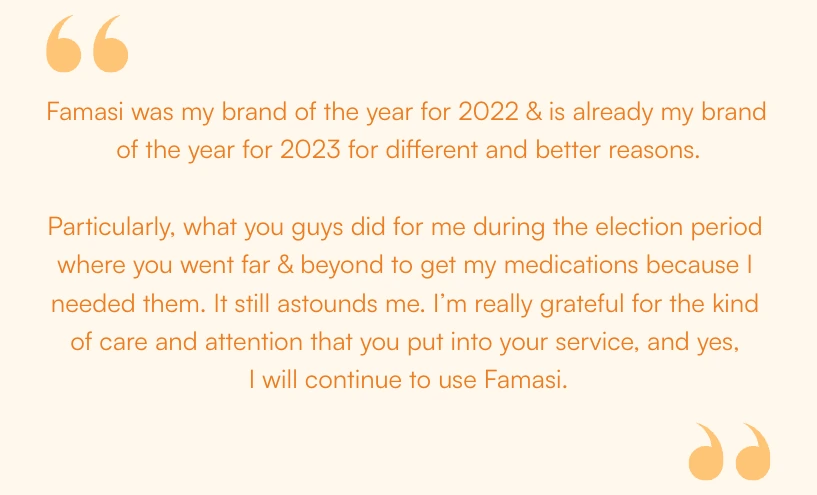
In 2023, the remit widened to brand strategy, product marketing, lifecycle and growth.
Part of the shift has been passing on what I learned from writing newsletters — flow, tone and storytelling — so the care team now writes Weekly Tonic, with me collaborating on direction, editing and email design.
Shoutout to Esther from @famasiafrica
— Bukayo Ewuoso (@Bukayor_BK) June 27, 2026
Today’s newsletter 🙌🏾
Famasi is simplifying medications with convenience, access, and support for individuals & businesses, which falls apart if the marketing treats people as an audience to convert instead of talking to them the way the rest of the experience does. So Famasi's marketing is relationship-based and storytelling-driven because the product is about care.
It also runs the other way. What we learn talking to customers feeds the product, the support conversations and the other touchpoints, so the brand work shapes the experience rather than just describing it.
Campaigns built from real conversations
Not In Your Head
For International Women’s Month, the campaign focused on women whose symptoms had been dismissed and invited them to share their stories.
Sandwich Woman
For Mother’s Day, I moved beyond celebrating resilience, which is a boring but common trope, and built a quiz around women caring for children and ageing parents. The quiz results kickstarted 3000 messages within the first five hours across 4 women-focused communities.
Other campaigns, built with care.
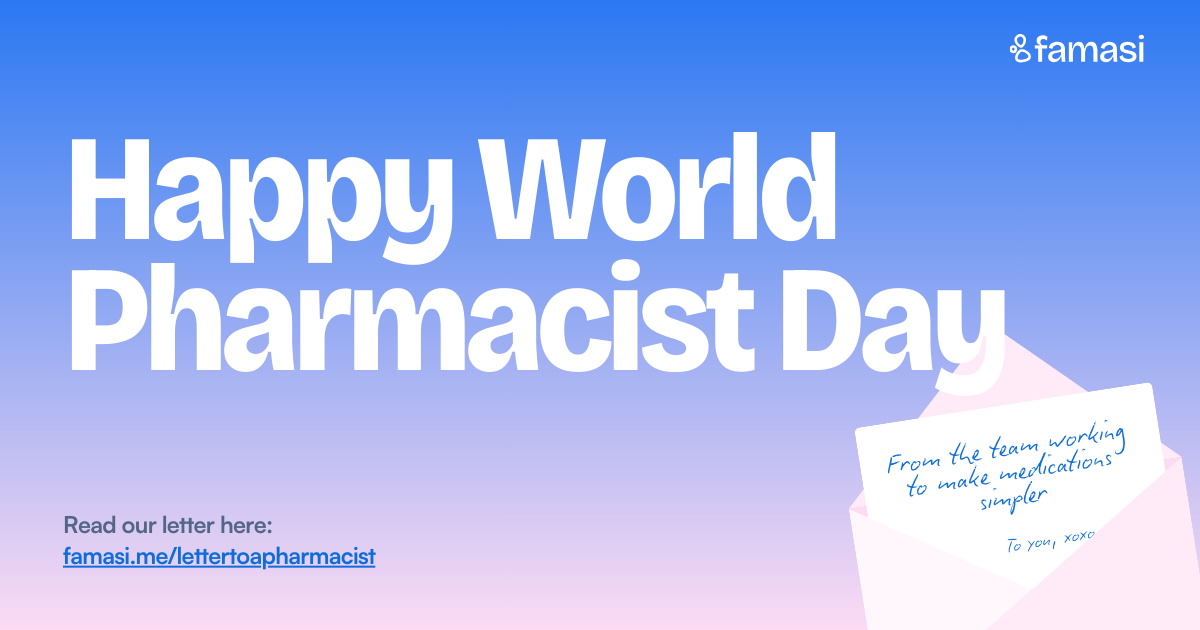
Dear Pharmacist
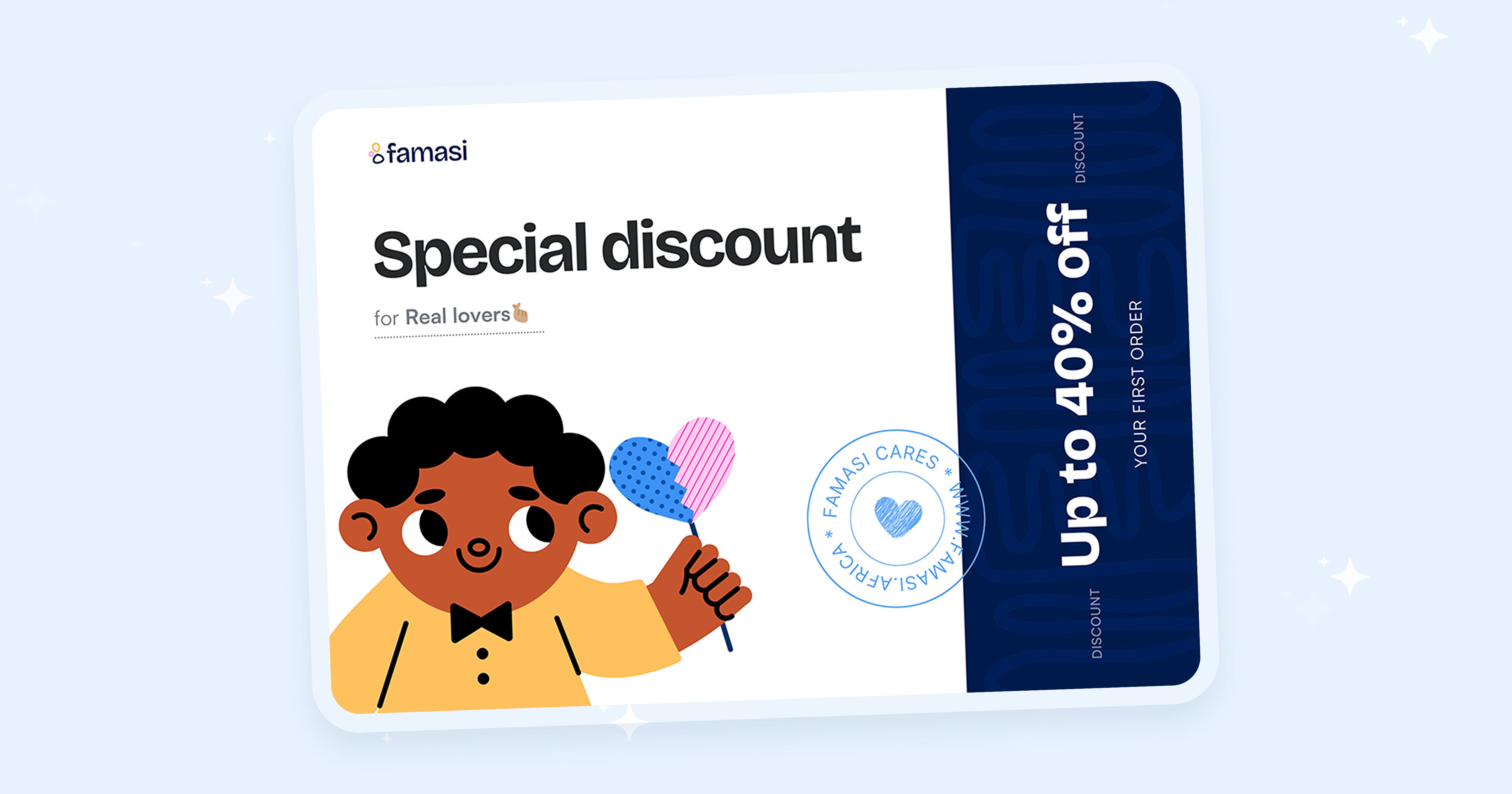
Real Lovers
Care Recap 2023
How We Cared in 2024
How We Cared in 2025
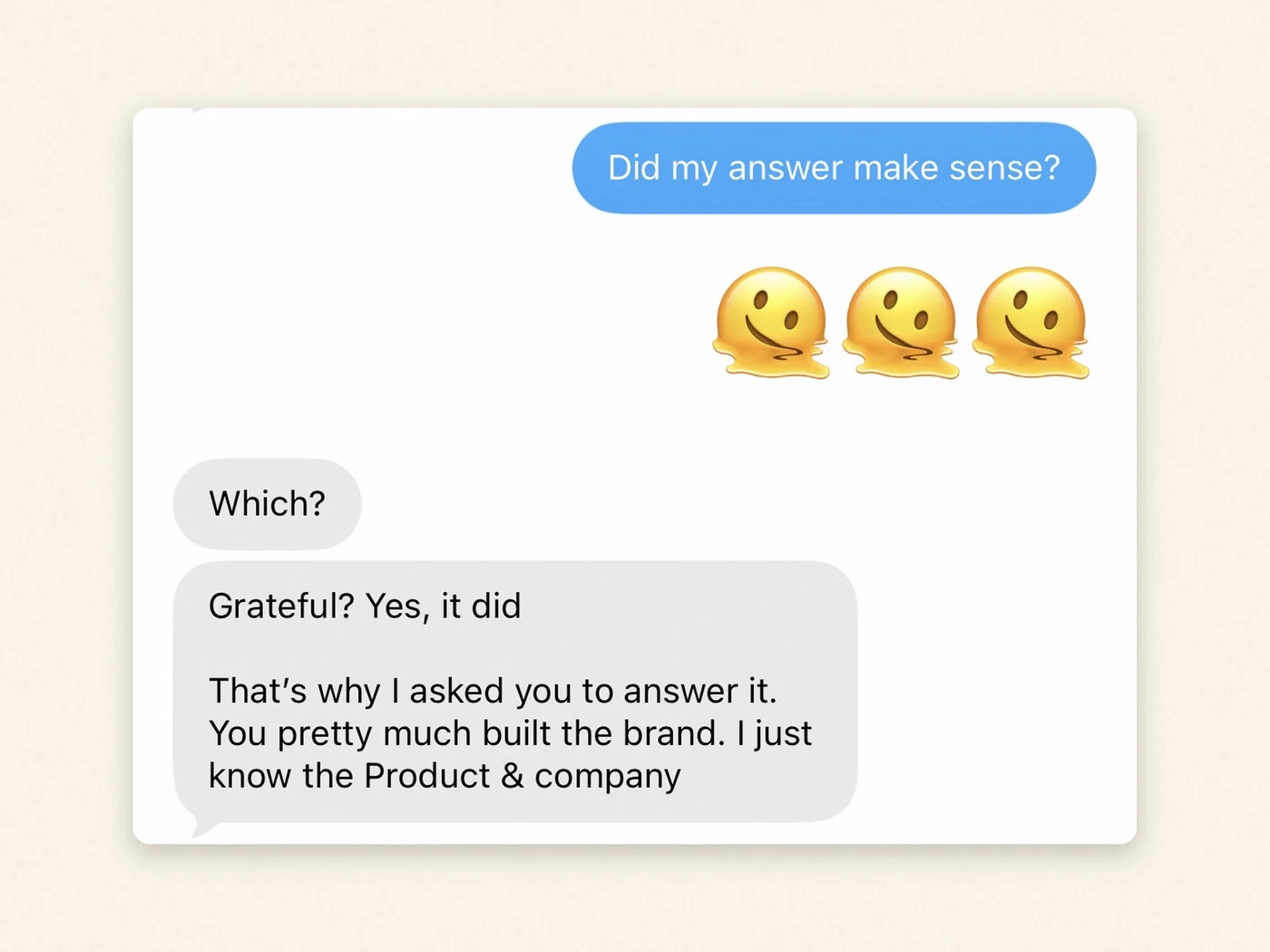
A branding agency we spoke with asked what feeling we wanted people to leave with after dealing with Famasi, and I said grateful. It wasn’t a documented position, and we hadn’t agreed it internally. It was the feeling I had been working towards across customer conversations, so I gave it as the answer and then asked Faruq afterwards whether it held up.
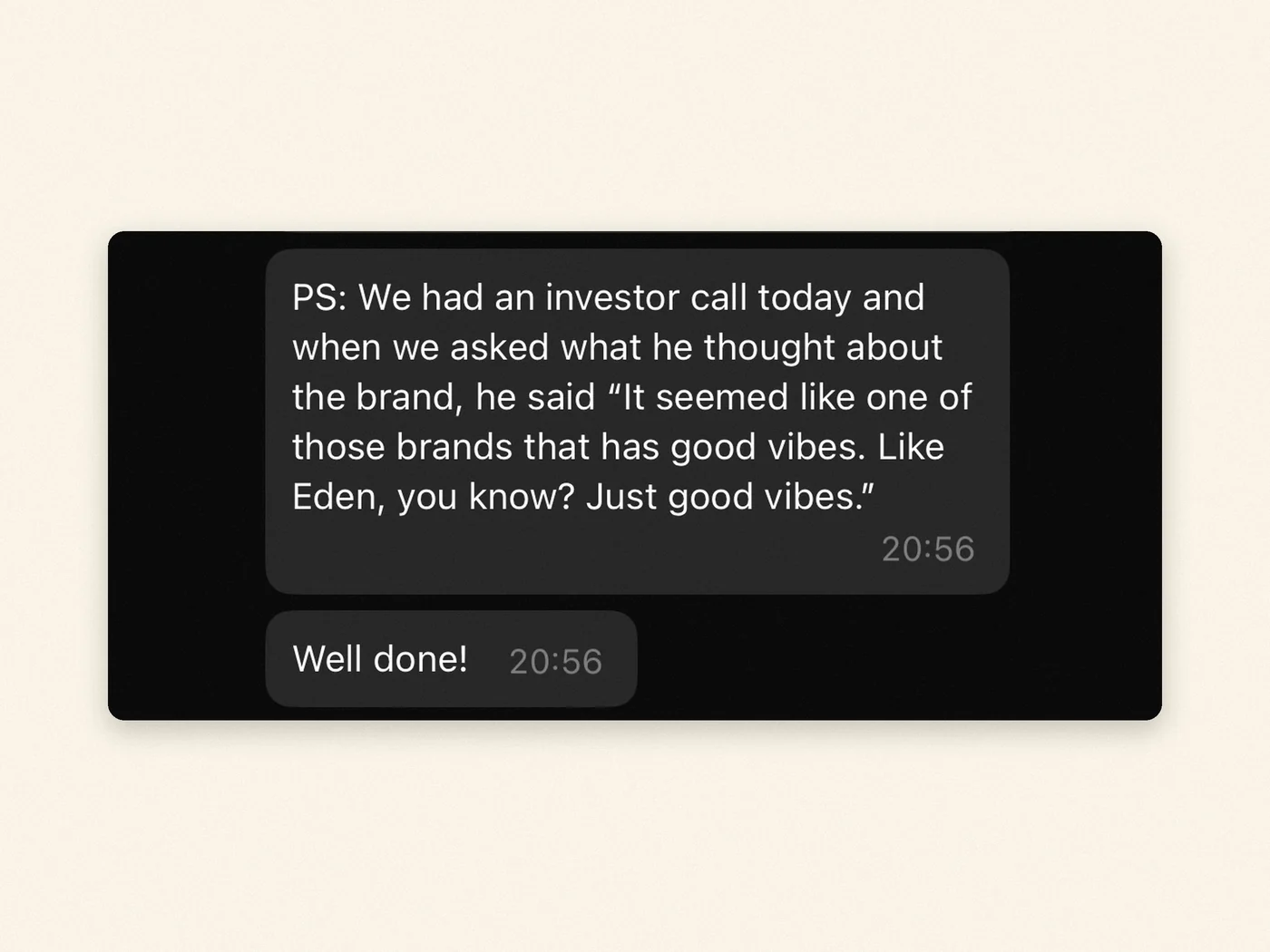
Before Famasi’s early access launch, I built a “Road to February 9” plan that mapped out everything we needed to publish in the run-up to launch. We started building attention early instead of trying to create it that morning. The campaign exceeded its goal, and that momentum also supported Famasi’s pre-seed raise.
CareCapital for Women needed the same planning with a camera attached. It was Famasi’s first programme for female-owned/female-led pharmacies. I owned video production & social media while collaborating on the wider lead-generation campaign across radio and communities; I wrote the video scripts, shot and edited the video. We were aiming for 50 pharmacies and closed with more than 300 applications.
What I’m building now
The engineer I didn’t become keeps turning up, and this one started with a customer in the Philippines who wanted to buy medication for their father in Nigeria. While I was helping them through support, I asked how they had found us, and they said they had asked ChatGPT and it recommended Famasi.
So we started asking everyone who came through support, and when the answer kept coming back the same, I set up tracking in PostHog to find out what the numbers actually were.
I hadn’t made a conscious push for Google search. For years, I focused on answering the questions people asked on social media and making those answers easy to find. That social SEO is now paying off beyond the platforms themselves, including the ChatGPT referrals I can see in PostHog. I’ll keep investing in the social SEO that already works and start taking Google SEO seriously too. The principle doesn’t change: answer real questions well, then make the answers easy to find wherever people search.
Alongside this, I’ve been building my own tools.
Boring Tasks Today
Small tools that make boring things easier. Each does one thing and stops there.
Desk GuardianGitHub
The ones I built because I needed them at work.
Carousel GeneratorVizible Africa came earlier, where I co-hosted Twitter Spaces about building on the continent and wrote the personality types that became an onboarding quiz.
For Wall of Armor, Inc., I produced a commissioned research package centred on a forensic study of five active shooter incidents, assessing how well protective barriers could’ve performed. The core study ran to 55 pages for schools and businesses. I also pitched & created the stakeholder presentation deck to enable inbound and outbound sales, alongside an incident comparison matrix and a visual diagram package, so the research could support conversations in the room rather than sit only in a document.
Contact
If you have an interesting project, reach out with details about yourself, the project, and the kind of collaboration you’re after. I’m mostly on Twitter, or send an email.